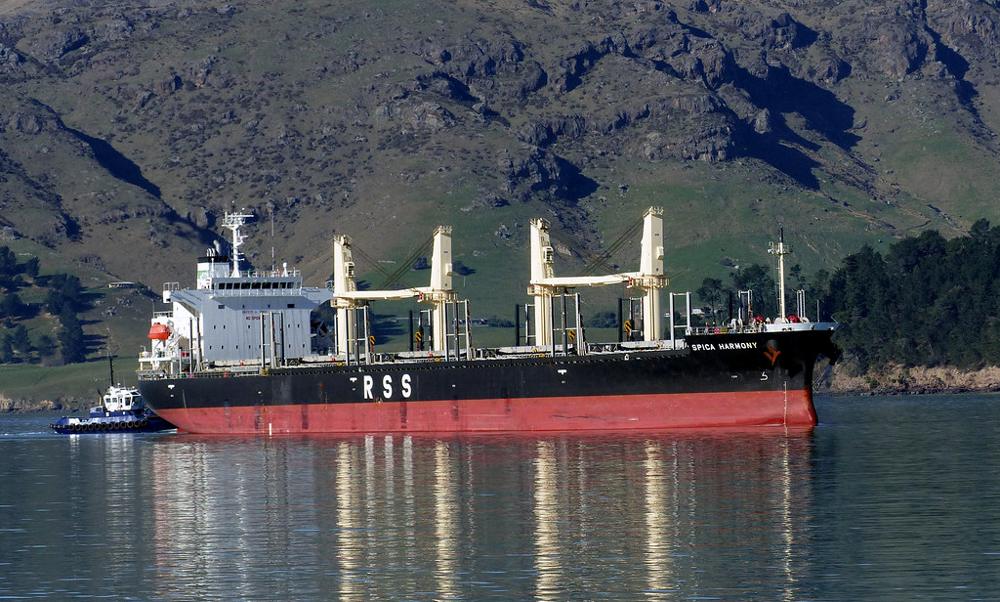
A bulk carrier at sea, seen from above

We invest in vessels that move the world’s essential goods.

Tidemark gives professional investors access to global trade growth through fully managed ship ownership.

46%of sea trade is dry bulk
+20%projected growth in shipping demand by 202720222027
16ship purchases and sales by our founders

What we do

Buy. Operate. Sell.

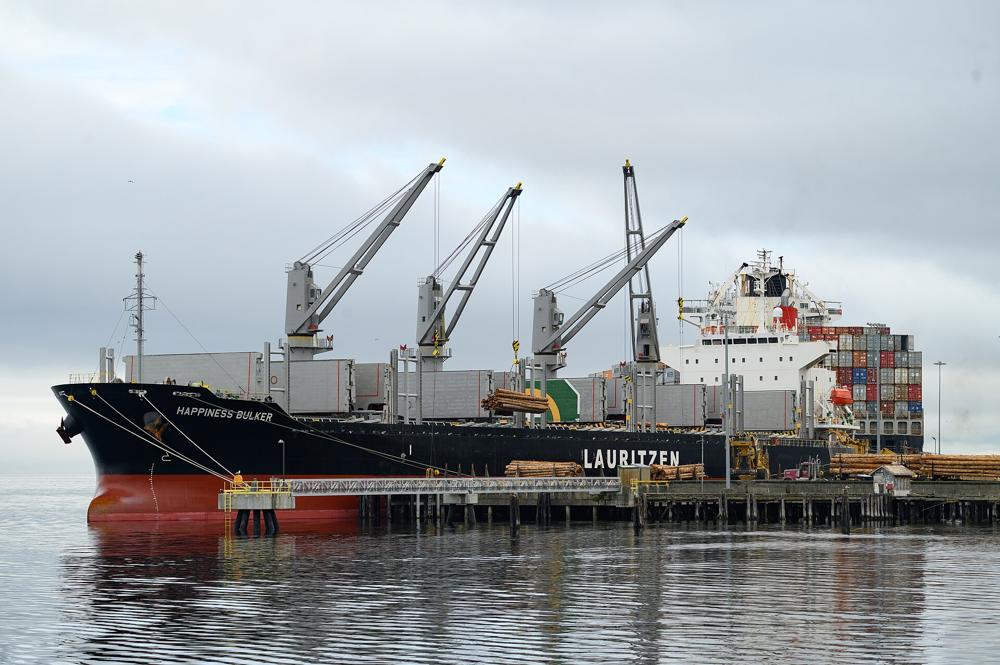
A bulk carrier with its own cranes alongside a quay
01

Buy

WeSource ships privately through trusted brokers.

YouInvest in specific vessels through a dedicated vehicle.
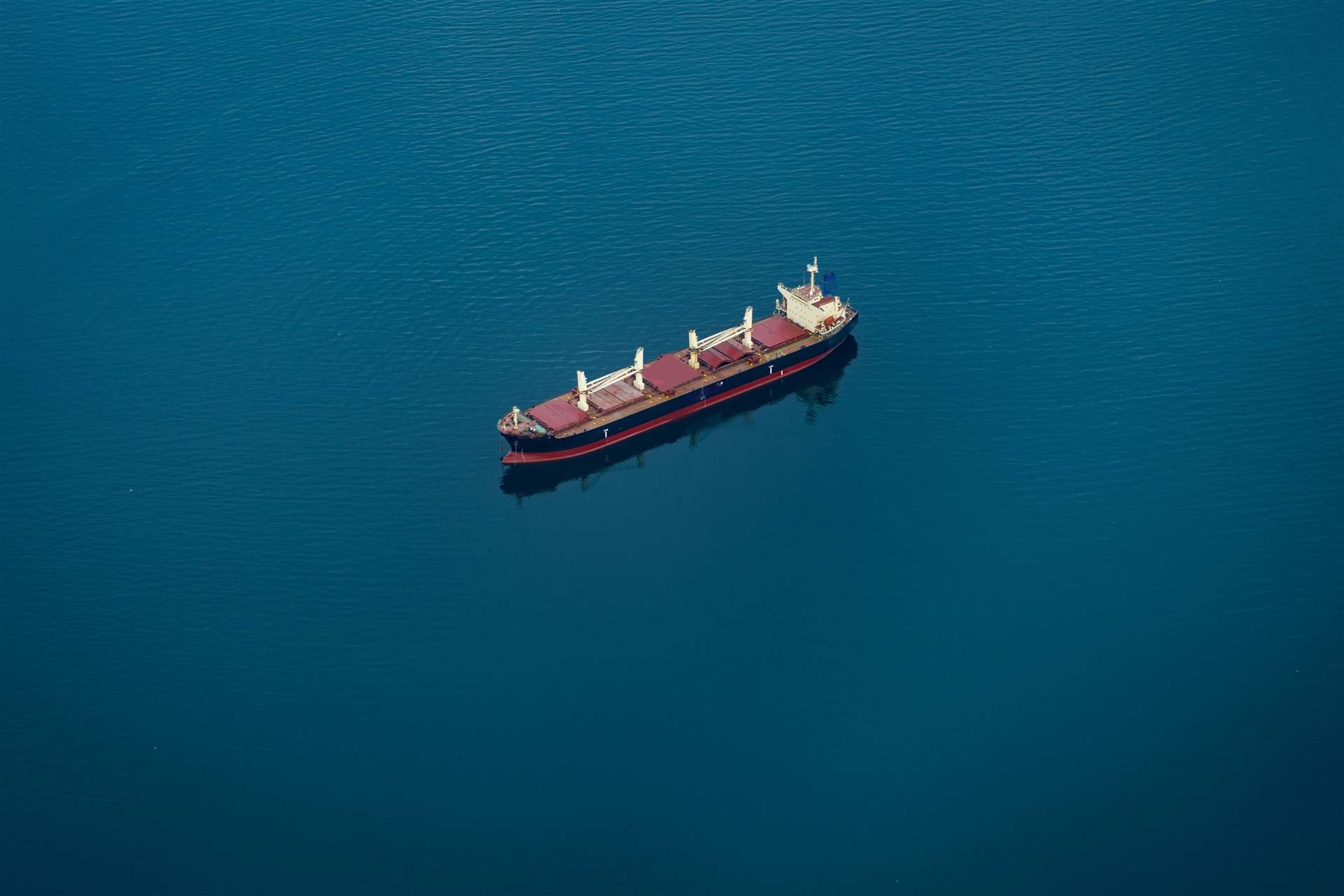
A bulk carrier at anchor
02

Operate

WeCrew, maintain and charter it.

YouReceive your share of the operating surplus, distributed regularly.
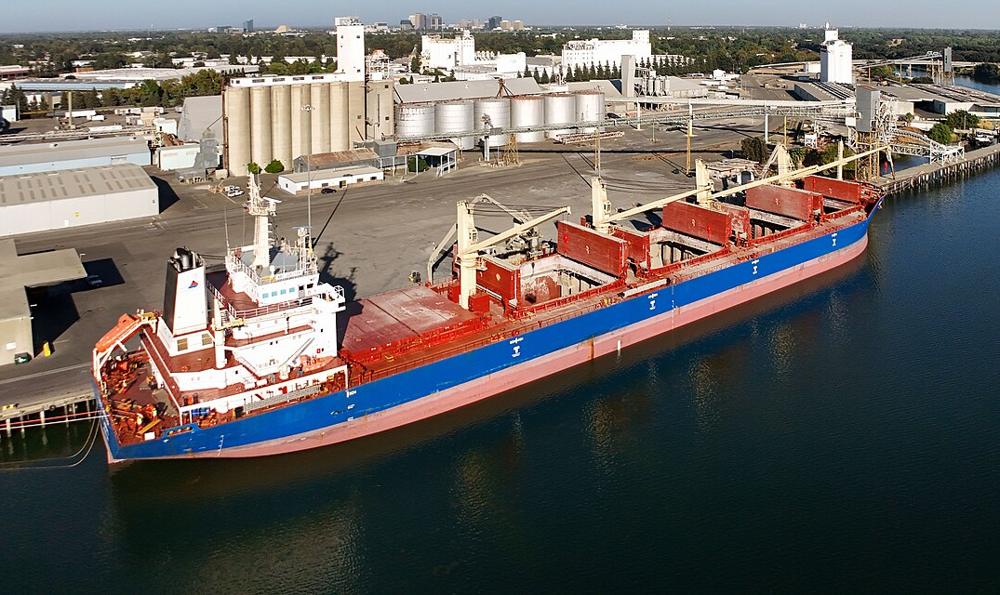
A bulk carrier with its own cranes at a grain terminal, seen from above
03

Sell

WeTime the exit: sale or scrap.

YouReceive your share of the proceeds.

Our approach

Shipping experience plus a proprietary AI-driven engine.

Every deal is checked twice: by ship owners and by our engine.

PeopleKnow-how and networkShip-owning experience and brokers.
DataMarket informationMarket data in one engine.
ProprietaryAI-driven engine
UpsideIdentify opportunitiesSpot the right vessels early.
DownsideManage riskPrice each vessel with discipline.

Founders’ track record

16ship purchases and sales as owners
10+years operating vessels

Dry bulk

Dry bulk ships carry the world’s raw materials.

1

The ships

Three ship types carry most sea trade.

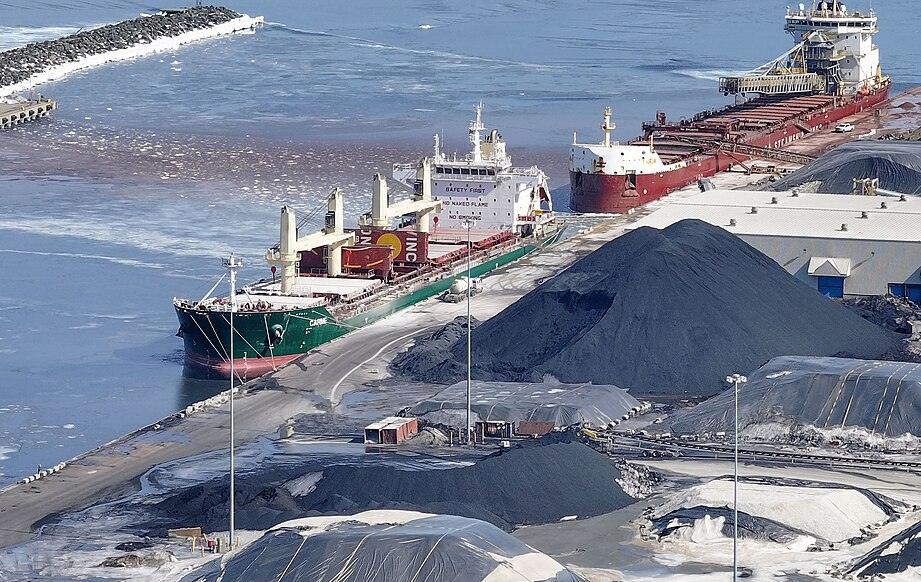
A bulk carrier with its own cranes beside stockpiles of cargo, seen from above
Dry bulk shipsTidemark focusLoose raw materials. Onboard cranes serve ports without them.
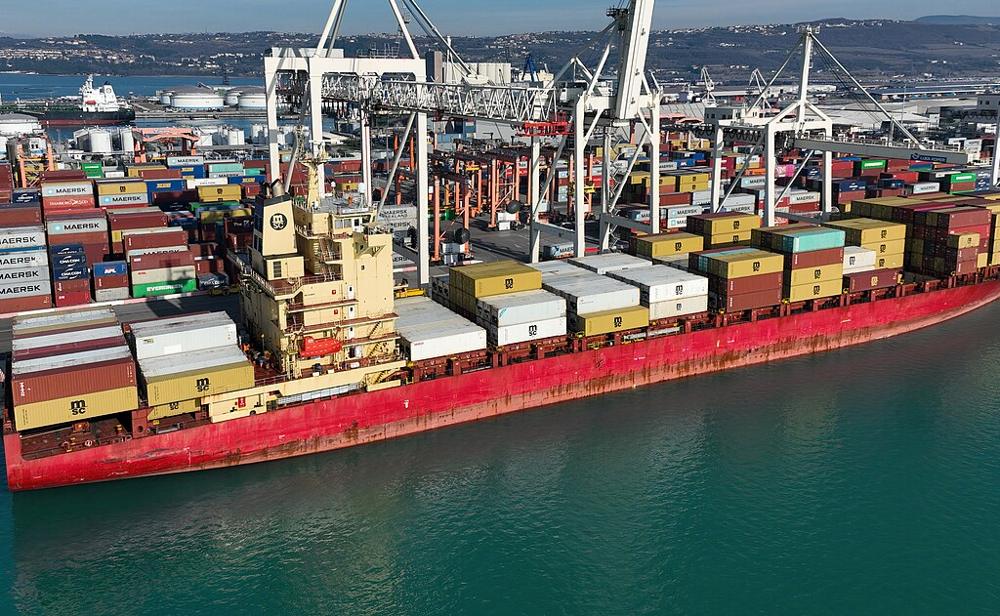
A container ship, seen from above
Container shipsFinished goods in boxes.
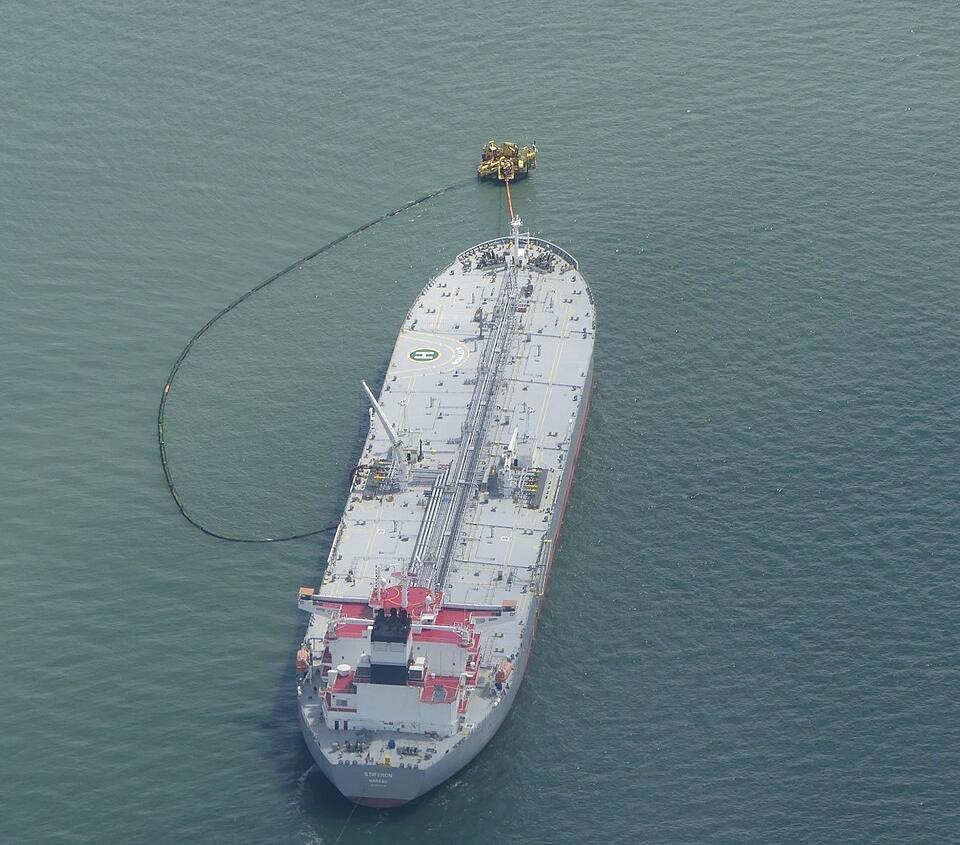
A tanker, seen from above
TankersOil, gas and chemicals.
2

The scale

Nearly half of sea trade, and growing.

2.6×the volume of 2000

Clarksons Research.

3

The cargo

20+ cargoes for food, housing and infrastructure.

4

The voyage

Each cargo follows its own trade route.

Pick a cargo.

Illustrative voyages at 12 knots.

The opportunity

Shipping demand is projected to grow 1.5 times faster than cargo.

1

The equation

More cargo, travelling farther.

+13%Cargo
×
+6%Distance
=
+20%Shipping demand
2027 2022 tonnes × distance Cargo, tonnes +13% Distance per tonne +6% +20%tonne-miles

2022 to 2027. Clarksons Research projection.

2

More cargo

Africa and Asia drive 92% of population growth to 2030.

+310 million people. Their food, housing and infrastructure arrive by sea.

Food

~13%more wheat and protein meal imports
2025213
2030240
Million tonnes. OECD-FAO projection.

Housing

2×Africa’s city population by 2050
2025720M
20501.5bn
Urban population. UN projection.

Infrastructure

~22%more steel demand
2025329
2030402
Million tonnes. Asia: India, ASEAN, other growth Asia. OECD projection.
3

Busier ports

Their ports are expanding fastest.

Select a port.

Growth in dry bulk ship calls, 2019 to 2024–25, at ports importing 300,000+ tonnes. IMF PortWatch.

4

Longer voyages

Why voyages are getting longer

Pick a reason.

1 2 2 3

Routes are illustrative.

Illustrative example

A vessel bid on in September 2026.

An investment of

would be worth

since the bid
weeks since the bid
a day, modelled

Hover the chart for any day.

Illustrative and modelled.

Navigating maritime value through data

Get in touch.

For professional investors only. This page is general information and is not an offer. Ship investments are illiquid and carry substantial risk, including loss of the entire investment. Distributions, returns and exit timing are not guaranteed.